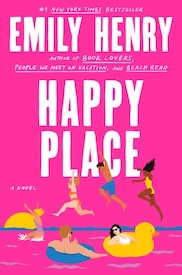
Summary: Happy Place is about Harriet and Wyn, an engaged couple on their yearly beach trip to Maine with their closest friends. Problem is: they aren’t engaged anymore. Since none of their friends know about their recent split, Harriet and Wyn pretend to be together while unresolved aspects of their breakup bubble beneath their facade. On their summer trip, their relationships with their friends are also put to the test as everyone in the group tries to figure out if their friendship can withstand the ups and downs of their ever-changing lives.
Review: There is a reason why everyone loves Emily Henry books. She takes the traditional romance novel and marries it beautifully with general fiction. Like the rest of her books, Happy Place isn’t just a romance. It’s also a book about friendship, growing up, finding oneself, and the coexistence of stability and change.
Happy Place is one of my favorite books and I am very aware that it’s largely due to the ways in which I could relate to one of the characters. While I know not everyone who picks up this book will have the same experience as me in that sense, I imagine most will at least be able to appreciate the way it explores the highs and the lows of relationships and love, both romantic and not.
When I read Happy Place, I felt seen. I picked up the book because I wanted to understand what the hype was about. I couldn’t put the book down because fragments of thoughts and feelings that had only ever existed in my heart now somehow also existed on the pages in front of me.
I read a story about people feeling my pain, feeling my joy, feeling my heartbreak. I laughed with them, I cried with them, and I wanted to know that they all ended up ok in the end. Because if they ultimately found joy and success, I would too, right? There’s something to be said about how invested you become in a book when it feels like you’re reading about whether or not you will end up ok in the end.
Happy Place is a book that has happy endings and broken hearts. It reminds you that for every up there’s a down, for every beginning there’s an end, and for every sad moment there is one filled with laughter and loved ones who will hold your hand through it all. And if you’re like me, it might also remind you that maybe your Happy Place isn’t a beach house in Maine. Maybe your Happy Place is a person. Maybe your Happy Place is a book.
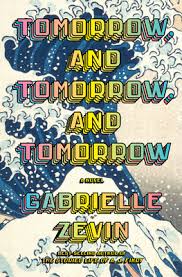
Summary: The book follows two friends over the course of 30 years through the successes and hardships they experience while creating a video game company together. The reader follows the development of their relationship with each other, their relationship with others, and the successes and failures of their creations while exploring themes of friendship, platonic love, disability, identity, and more.
Review: Tomorrow and Tomorrow and Tomorrow is one of those books that was at the top of every list when it came out. I saw this book at the front of every bookstore and mentioned on every book list and couldn’t wait to find out what the hype was about. I sat with my FOMO for a bit before picking it up, and when I did . . . I was kind of disappointed.
Let’s start off with why I like the book. I love that the plot and the themes are different and not mainstream. I don’t know much about video games and the gaming world, and I think Gabrielle Zevin did an amazing job making the world of video game creation and production accessible and enjoyable. She also incorporated themes that we don’t often see in popular books – themes of friendship, platonic love, disability/illness, depression, and some darker ones that I won’t list so as not to spoil anything (but I do suggest looking up trigger warnings prior to reading the book, if that’s something you are worried about). For those reasons, I wanted to love this book so much, but there are a couple reasons why I didn’t.
I know I just went on about how much I loved the variety of themes, and I do, but I also think there may have been too many. In my opinion, we either needed a longer book or fewer motifs in order to delve into all of them properly. The book spans a long period of time, so it makes sense that certain topics come and go as we move through various periods of time, but I felt like that did some of the topics a disservice. I loved how the entirety of the book, encompassing multiple periods of time, was used to flesh out some of the larger, overarching themes like friendship. I would have liked if that had also been done with some of the smaller, yet heavier themes so that the reader could have more time to digest them. Instead, I felt like the story was punctuated by intermittent, darker topics that made me feel like I didn’t have enough time to process them before we moved on to the next heavy thing. To me, that made the treatment of the darker themes feel more like trauma dumping than making them part of the story as a whole.
I also didn’t love or really understand either of our two main characters. It’s one thing to disagree with a character’s choices and another to not understand why they made their choices. Loving and relating to characters is not part of my criteria for a five star book, but understanding characters’ motivations and morals and the reasoning behind why they do what they do, is. On top of not being able to relate to either of the characters, I didn’t feel like there was much character development with either of them. Since I didn’t feel like I had a full picture of who the characters’ are and what their motivations are, I never really understood their actions (or lack of action). This is a bit challenging to elaborate on without potentially spoiling the book, but hopefully you get what I mean. Basically, miscommunication is not my favorite trope, but I am more likely to get over it if there is a reason for it.
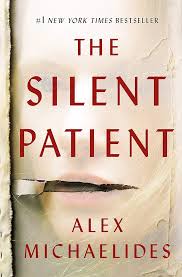
Summary: Alicia Berenson, a famous painter, seemingly randomly shoots her husband several times in the face and then never speaks again. Her only comment after the crime? A painting. After her trial, Alicia begins working with a psychotherapist, Theo Faber, who is determined to figure out the mystery behind her silence and the murder.
Review: I love a good psychological thriller, but I want to preface this review by saying that I don’t find myself rating thrillers higher than four stars. When I pick up a thriller, I am looking for something entertaining, binge-able, and maybe a bit twisted. I don’t usually feel that books that have those qualities are also multifaceted, poignant, full of character/relationship development, and evocative of deeper feelings and meaning (which, for me, five star books often do). That said, if you have read a book that does it all, let me know because I am totally down to discover a five star thriller.
While I don’t think that The Silent Patient is multilayered and composed of the best writing I’ve ever read, I got the suspense I was looking for and flew through it. If you’re looking for a good psychological thriller, this will do the trick.
In a book like this, one might anticipate some twists, turns, discoveries, realizations, etc. and while The Silent Patient definitely had tons of those, I wasn’t thrilled (ha. get it?) with how they were executed. I won’t spoil the book, but let’s just say I felt like there were some gaps and inconsistencies in the plot that just didn’t quite hit for me and left me feeling a bit unsatisfied and disappointed with the ending.
Is the book engaging and entertaining? Yes. Does it deserve to be a popular thriller? I think yes. It’s twisted and complex while still remaining digestible, so it makes sense to me that a wide variety of people would read and enjoy it. Is it the best and most well-executed psychological thriller that I’ve ever read? Maybe not, but it’s definitely towards the top, in my opinion. I also binged it in a couple days and that makes a thriller a pretty good one to me.
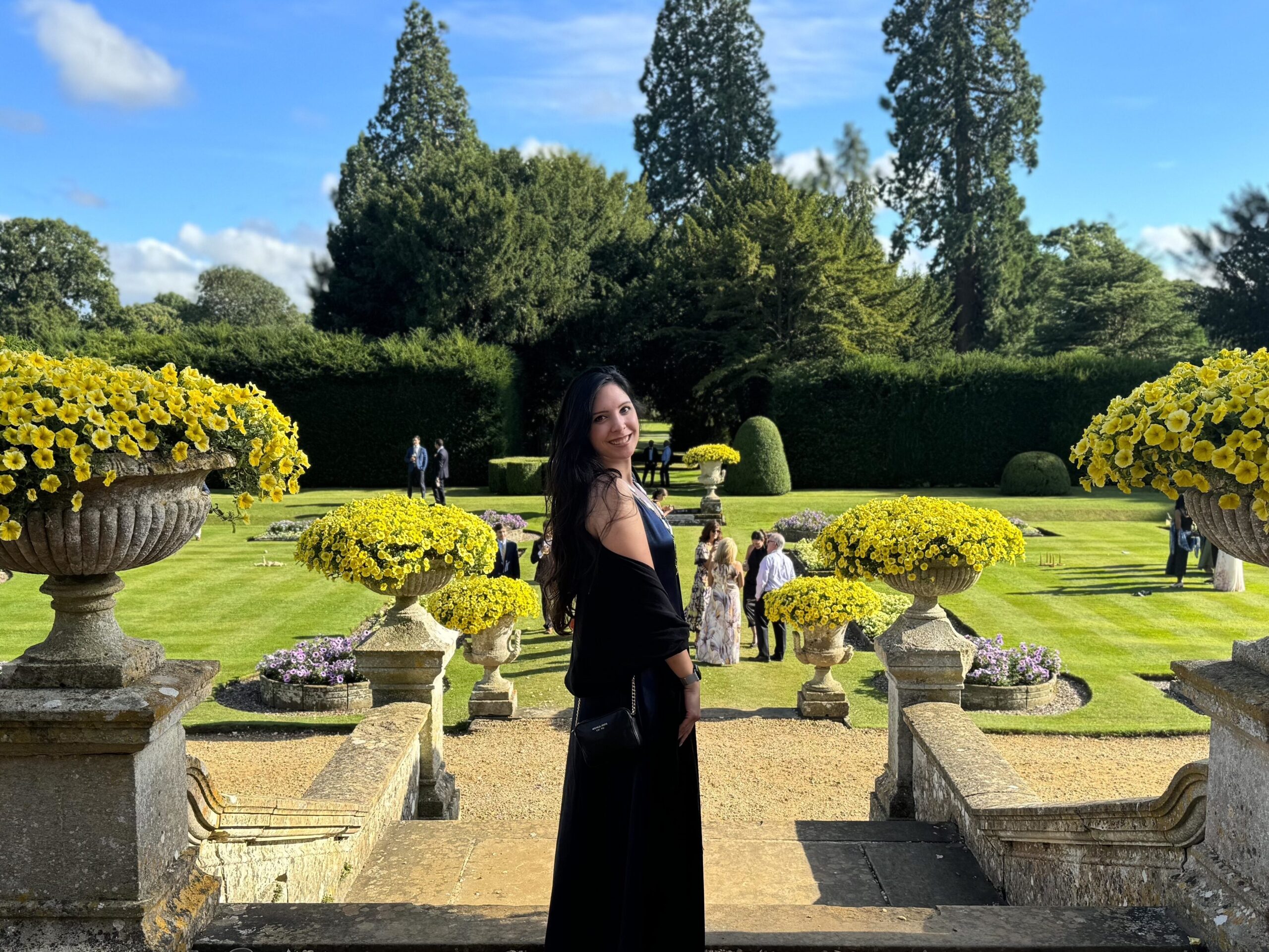
Hi there! My name is Giulia. I am thirty [something] years old and I live in Washington, DC with my husband the two cutest, cuddliest pets in the world.
.
My blog has always been my happy place – a place on the internet I can go to surround myself with words and pictures that I love. A lot of those words and pictures are about traveling, fun experiences, and reading.*
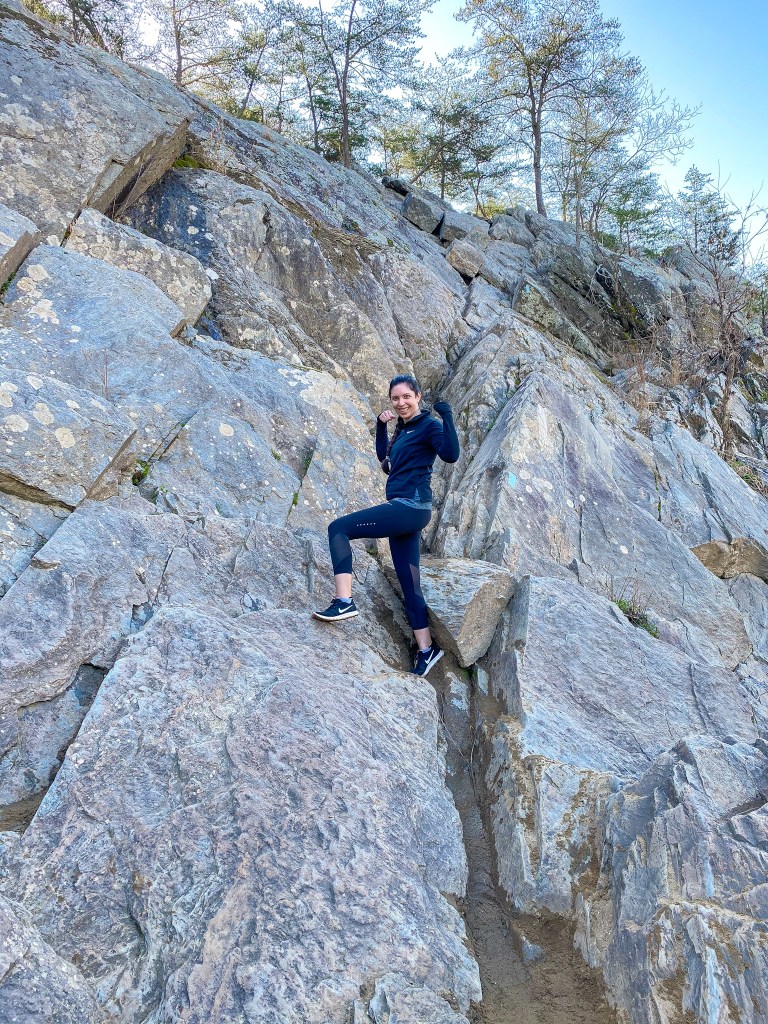
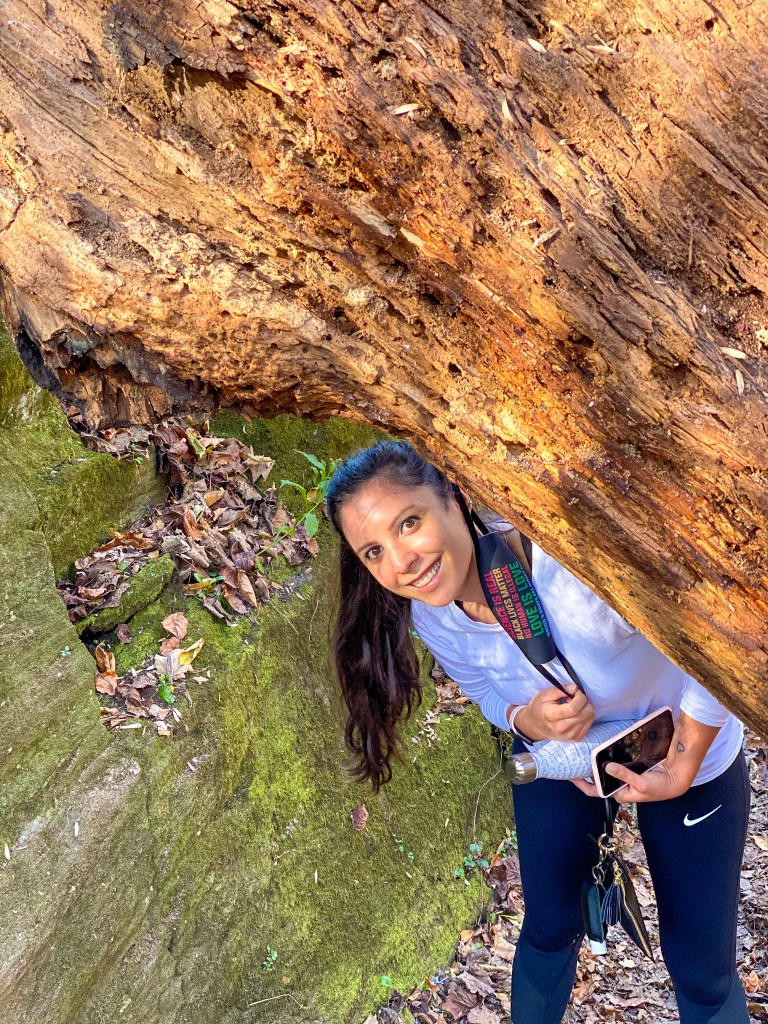
Last month, I hiked the Billy Goat Trail with J and one of my best friends. I can’t believe I had not hiked this trail before now, especially as it is one of the more well-known hikes in the DC-metro area (you can read more about the Billy Goat Trail here and here).
The trail is divided up into three sections (A, B, and C) and we hiked section A, which is the more challenging section with rock-climbing and lots of rock-hopping. It was a gorgeous hike with stunning views, and even though section A is only 2 miles, our total hike (including getting to the trail and back to our cars) was about 4 miles and I was exhausted by the end of it!
My favorite parts were the rock-climbing/rock-hopping areas (although I will admit, they were a bit intimidating, especially since there are signs saying that many hikers are injured every year on that particular section!) and the little beach area (which was the perfect spot for a water break!).
10/10 would recommend the Billy Goat Trail. It’s definitely one that I want to do again, especially as I continue to push forward in my fitness and hiking journies! If you are thinking of hiking the trail, make sure to be prepared with lots of water and to be incredibly careful in the rocky areas. (And maybe try the more casual sections first if you are an amateur hiker like me 😂..)
We are inundated with exorbitant amounts of information on a daily basis, and to be honest, I am surprised that anyone remembers anything. Between the incessant red bubbles popping up on our phones, the technology that allows us to chat with multiple people simultaneously, and all forms of media giving us multitudes of information at once, how do people remember what they need to remember? Well, maybe they don’t.
If you are finding yourself forgetting things or constantly feeling like you have too many things to remember, you are not alone. The rate at which we are being fed information on a regular basis is a lot for our brains to keep up with. Add in the growth of technology and media and you have a recipe for information overload.
In order to keep my mind clear and make sure I am remembering everything that I want to remember, I have come up with a few things that have helped me get random reminders, bits of information, and ideas out of my head and into a place where they are top-of-mind when I want or need to recall them.
Pick a system and stick with it.
If you are a paper person and want to keep everything written down on paper, do that. For paper lovers, notebooks, binders, and paper planners are great ways to organize events, tasks, reminders, and lists. If you prefer scheduling and accessing your reminders digitally, do that. Digital lovers can use default phone apps or digital note-taking systems like Evernote or OneNote. Either way, you can create a system that ensures you are remembering everything you need to both digitally and physically. The key is to stick with the system you choose.
Some people like a combination of digital and physical (for example, putting all your events into Google Cal, but writing down all of your lists in a notebook), and that way works too! If that’s what floats your boat, do it. The important thing is to avoid switching between digital and physical methods for one purpose. For example, say you find yourself moving your to-do list system from a notebook into a digital note-taking app. Flip-flopping between systems will increase your likelihood of forgetting to transfer something from one to another. Take some time to figure out what works best for you, and once you’ve figured it out, do your best to stay consistent and stick with it.
Have one place for appointments.
This is probably an obvious one, but having a place to put down scheduled appointments and events is very important if you want to remember where you planned to be and when you planned to be there. Having a planner or calendar means you won’t double book yourself and will remember all of your scheduled events, no matter how busy your life is. Every time you schedule an event, write it down.
If you want to take it one step further, you can also use your planner or calendar for tentative events too. When trying to plan something tentatively on a date, write it down on that date in pencil (or on a post-it that you stick on the day, or however you want to differentiate between something scheduled and something tentative), so that if something else comes up for that day, you will remember that you have a tentative plan.
Keep a brain dump.
A brain dump is essentially something that allows you to get everything that is in your head, out of your head, with the ability to revisit everything later. It’s a place where you can write down all of the random tasks, reminders, and action items that pop up in your head so they don’t have to continue crowding your brain space.
Many people create a brain dump list right before bed or right when they get up. A brain dump is a great addition to a morning or evening routine because it provides an outlet for you to clear your mind before sleep or work. That said, a brain dump can also be a catch-all space that you can add to as the day goes on. If you want to use your brain dump to jot things down as you think of them throughout the day, just make sure it is easily accessible. If you are a paper-and-pen person, put it in a notebook. If you rarely have a notebook on you, put it on your phone. Having your brain dump in a place that is incredibly accessible makes it easy to write down your sudden thought and makes you less likely to give yourself an excuse not to.
Check-in daily.
Using a calendar or a brain dump is only useful if you check in with it daily. Your brain dump and your calendar contain all of your thoughts, tasks, events, reminders, and everything else that you want to remember, but you’re never going to be reminded of any of them if you are not checking in with them regularly.
For a brain dump to be useful, it is helpful to go through it daily and clean it out like an inbox. To clean it out, simply go through your list and move things wherever they need to go. For example, if you added “schedule dentist appointment” to your brain dump, your daily check-in is a good time to take that reminder and move it to your to-do list. Maybe you remembered trash collection isn’t happening this coming Monday because it’s a holiday and you added that to your brain dump. During your check-in, you can move that directly into your calendar so you know the right day to set out the trash. Wrote something down that you don’t feel is important anymore? Cross it out!
Going through upcoming events on your calendar and your brain dump regularly helps you stay on top of all the little things that popped into your head throughout the day without making you feel like you need to take the time to put them where they need to be the second you think of them.
Use lists or sections in your system for like-items that you continually reference and add to.
Let’s say someone recommended a book to you and you wrote that on your brain dump list. At the end of the day, where does that note go? It doesn’t make sense to put it on a calendar since it isn’t something that has to be scheduled, and it might not make sense to put it on a to-do list if you won’t be getting to it for a while. Find a spot in your system where you can put a list of books to read. If you don’t have a large list of books to read, maybe your list is broader than that and is more of a “recommendations from friends” list where you put books, movies, restaurants, and things like that. Now, the next time you get a recommendation, or you need to remember a recommendation that was given to you, you know exactly where to go.
Save as you go.
For things that accumulate a lot of paperwork or digital files, create a dedicated folder (or box, or binder, or digital notebook section) where you can put things as you collect them.
The best example for this? Tax documents. You are sent tons of tax documents at various times and need to remember where all those documents are at one specific point in the year. When tax season comes around, it can be incredibly overwhelming and stressful if you have to rummage through all of your documents and emails to find exactly what you are looking for. To save yourself that hassle, put all tax documents as you get them in one spot. If your system is physical, put all your physical items in your designated spot, and print all the digital items so that they can go in there as well. If your system is digital, save all your digital documents as they come in and scan your physical ones so that they can go in too. Now, when it comes time to prepare your taxes, you can remember where all your important documents are since they have all been saved in the same place.
Another example might be paperwork for your car. If you keep all car-related documents in one place, when you need to remember what work you have had done on your car, or if you decide that you want to sell it and need the original paperwork you received when you bought it, you know where to find all your car-related items and can easily find exactly what you need.
Don’t be embarrassed!
Don’t be afraid to put seemingly insignificant tasks on your to-do list just because you think it might be silly and don’t be afraid to keep lists or collections of documents that others might think are weird or unnecessary. Do what you’ve got to do to keep yourself organized and to remember the things that are important to you. What is important to you is unique to you and should be your business and no one else’s. Take me for example, I am writing this list that many people probably think is silly or unnecessary, but hey, if it works for me, that’s all that matters! It’s an added bonus if it manages to help someone else too.
While all of this might seem like a lot of tedious work, all I can say is that after doing all of these things, I am able to easily remember every task I want to remember, find a list of every TV show that has been recommended to me, and I can locate all the documents I need for tax season in less than a minute. The point isn’t that I can recall information in my head whenever I want, but that I have a system in place that reminds me of things I need to remember and allows me to locate documents and information whenever I need to. If this is something you’ve been struggling with, I hope this post can help you to do the same!
Recently, I’ve been really into working on the goals I set for this year, but I know that normally by February the goal motivation and energy of many have already started to run out. I have always been a goal-oriented person, but I realize that not everyone is, which is why I wanted to talk a little bit about I set and achieve goals. For anyone looking for some help with goal setting or wanting a little push to keep going, here are a few things about goals that I have picked up over the years.
Things to Know About Goals
Goals don’t have to start on January 1st. January 1st is an arbitrary date. Even though I, personally, start my goal list every year in January, I have goals on my list that I started working on back in December of 2020. Last year, I added some goals to my list when we were already halfway through the year. It really doesn’t matter when you set your goals or when you start to work on them, what matters is that you start.
Goals can change and evolve over time. Let’s say you made a goal to go to the gym five times a week. Maybe two months into your goal, you realize that you were a little too ambitious when you initially set your goal to go to the gym that many times per week. Instead of giving up on your goal completely, change it to something more manageable! Maybe try to go to the gym three times a week or see if at-home workouts work better for you and your schedule. Change the goal a little, and start working on your new goal!
Goals don’t have to take a year to complete. Some goals might take a year to complete, but others could take multiple years, some only a few weeks. Just because it’s a shorter or longer-term goal does not mean you can’t add it to your list.
Goals should be unique to you, and shouldn’t be what everyone else is doing. Just because “losing weight” is a common goal, doesn’t mean it needs to be yours. Maybe your health journey looks more like drinking more water every day or increasing your daily step goal. Think about what is important to you and structure your goals around that.
Goal Tips & Tricks
If you are struggling to actually achieve the goals that you’ve set, here are a few tips to help you get started.
Break them down. If your goal is to become a millionaire, that’s great! But you are not going to get there overnight. What are the small steps that you can take every day, every week, or every month, to get there? If you work in a predominantly client-focused job, your smaller step might be to go to more networking events (when it’s safe, of course). If you feel that the next step for you on your journey to becoming a millionaire is getting a promotion, focus the next year or the next couple months on what you can do to get a good performance review. Just figure out what your smaller steps are, and work on those– I promise they add up!
Make them attainable. Let’s continue with the millionaire example. Becoming a millionaire takes time and work. It’s probably not realistic to make something as big as that your year-end goal. Realistically, you are probably going to have your smaller, broken-down steps on your goal lists for a few years, and that’s ok! Dream as big as you want to for your long-term goals, but make sure your shorter-term ones are realistic and attainable.
Schedule time for them. If you don’t set aside time to work on your goals, they won’t happen. Remember those smaller steps we talked about? Break those steps down into individual tasks and put those on your to-do list or in your calendar. That way, you are blocking off time to work on your goals and making active progress on them regularly.
Goal Examples
In case it’s helpful for you to see a real-world example of goal setting and goal achievement, here are some examples of two goals I set and achieved in 2020.
Goal 1. I am a big journaler/photobook-er/memory keeper and one of my big, overarching goals, was (and still is!) to keep up with my memory keeping because I know how easy it is to fall behind. At the beginning of 2020, I wanted to use all the extra time I had on my hands to put a system in place that I could actually keep up with. I had tons of photos on my computer and phone, but what was I going to do with all of them? What about all the memorabilia I had collected from trips and vacations? How could I make it easier for myself to archive all my personal memorabilia in the future?
My first step: breaking my goal down into a few separate, manageable tasks. First, I would organize my memory boxes and create a system that would make it easy for me to organize new tickets, letters, and cards as they came in. Next, I would get started on creating photo books and finally print all the photos that were sitting on my computer and phone. My year-long goal was to have photo books for 2017 through 2019 completed so that all I would need to do is create one book per year to maintain my collection and keep it up-to-date moving forward. Then, week by week, month by month, I worked on each individual book, breaking each one down into a series of smaller tasks (gather photos from the year, delete duplicates, select the best ones, edit photos, create the book, etc.) until each one was completed. By the end of the year, I made a total of 4 photo books and had completely caught up with the current year!
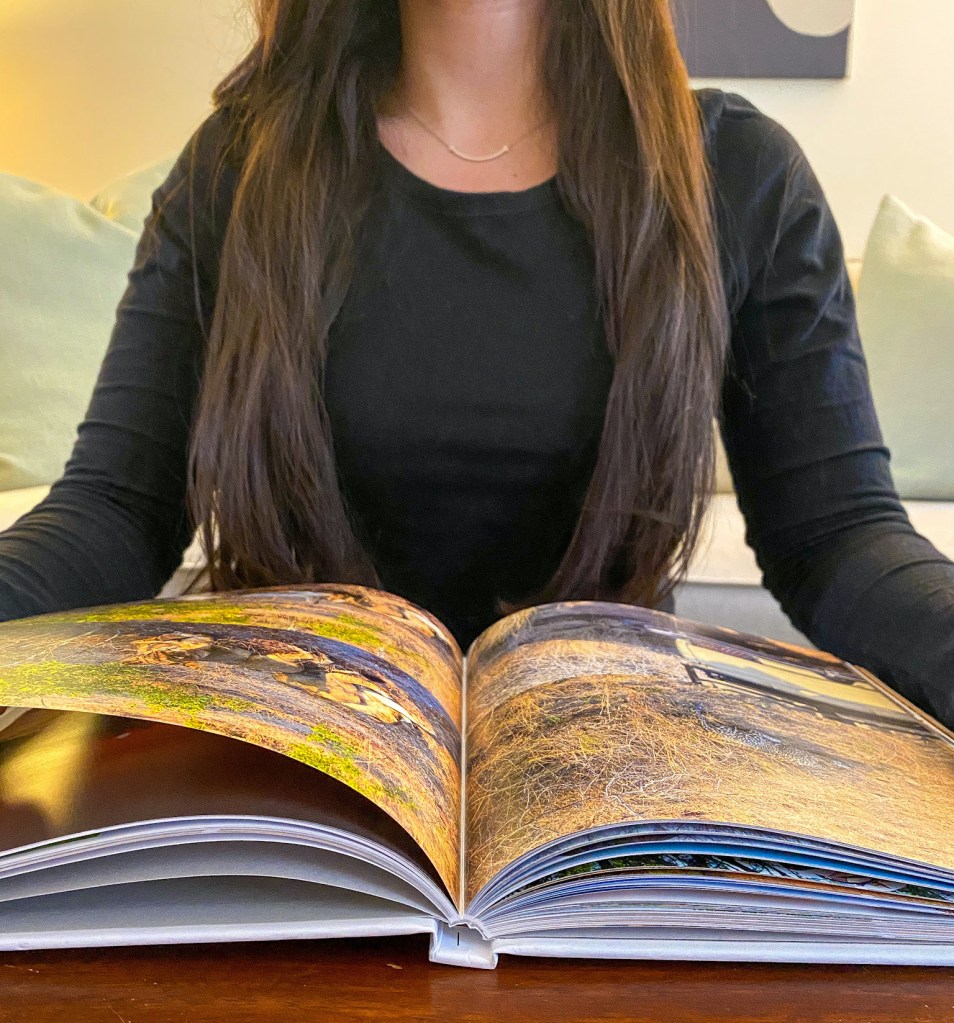
Flipping through a photo book!
Goal 2. Another goal I had in 2020 was to improve my physical health. In case you didn’t already know, I had hip surgery on my right hip back in 2016 to repair a torn labrum. At the time, I was also made aware of a tear that was starting to form on my left side too. Without regular exercises, guess who was at risk of needing surgery on their left hip? Yes, that would be me. Well, sure enough, at the beginning of 2020, as a direct result of not keeping up with my hip exercises, my left hip started hurting. That’s when I made it a goal to incorporate regular hip exercises in my workout routine and made a point to come up with a regular exercise schedule to make sure I didn’t fall off the wagon again. Fast forward to 2021– I am still doing my hip exercises regularly (and sticking to my exercise schedule!), and my hip hasn’t bothered me in months.
Hopefully sharing some of my goals and how I approached them gave you some inspiration and ideas of how you can set an achieve your own goals! Don’t forget, just because it isn’t January any more doesn’t mean you can’t start setting those goals!
If you are like me, you love to read, but sometimes struggle with getting back into a reading habit if it’s been a little while since you’ve picked up a book. I lost my reading momentum earlier this year and had a hard time trying to get it back. Thankfully, I managed to get back in the groove of reading regularly, and am so glad that I did! Here are a few things I found were helpful when getting back into a regular reading practice.
Read Something You Are Excited About
If I am struggling to get a reading habit to stick, it’s likely because I am not invested in the book I am reading. When you are first working on your habit, start with a book that you are excited to read. You can find something in your favorite genre, a book with a storyline that you enjoy, or even an educational book on something you’ve wanted to learn more about. All of these are great ways to ensure you are starting off with a book that makes you want to pick up the book and continue reading.
Tack Reading on to an Existing Habit
I mentioned this in my “Starting a Journaling Habit” post, but linking a new habit to an existing one is incredibly effective. If you already have a morning or evening routine, try adding a few minutes of reading to one of your existing habits in your routine. For example, if you take out your contacts and brush your teeth every night before bed, add 20 minutes of reading to your routine right after you brush your teeth. Adding this new habit after an existing one will make it easier to remember and more likely to become a habit. You can always extend your reading time once your 20-minute ritual becomes a regular habit.
Bring a Book with You
I know many of us aren’t really going anywhere right now, but if you are, bring a book with you! If you are still going to work in-person, bring your book to work so you can pull it out at lunchtime. On your way to an appointment? Stick your book in your bag so you can read it while you wait. Even if you only have a few minutes to read, it counts! Which brings me to my next point . . .
Even Just 10 Minutes Counts
Instead of scrolling on social media when you have 10 minutes free, read! Even if you can only squeeze in 5 or 10 minutes of reading, that still counts! It only takes a few minutes to get to a critical plot point, and once you are there, you will be that much more likely to reach for your book the next time you have a free moment. This is also a helpful tip if you are struggling to get into a book when you first start it. After a few 10 minute sessions, you might get into it! And if you don’t . . .
Don’t Be Afraid to Move on
Just because you started a book, does not mean you have to finish it. If you get a third of the way through reading something and realize that it isn’t for you, don’t be afraid to move on to something else. I am a completionist, so this is definitely something I have struggled with and has contributed immensely to my inability to get back into a reading habit in the past. I have learned that not every book is going to hit home and if one book is causing me to dislike a habit that I would normally enjoy, it’s ok to say goodbye and move on.
I hope these tips are helpful if you were hoping to get back into a reading habit! Now that winter is coming and the colder months are coming in strong, what a great time to curl up under a warm blanket with a new book!
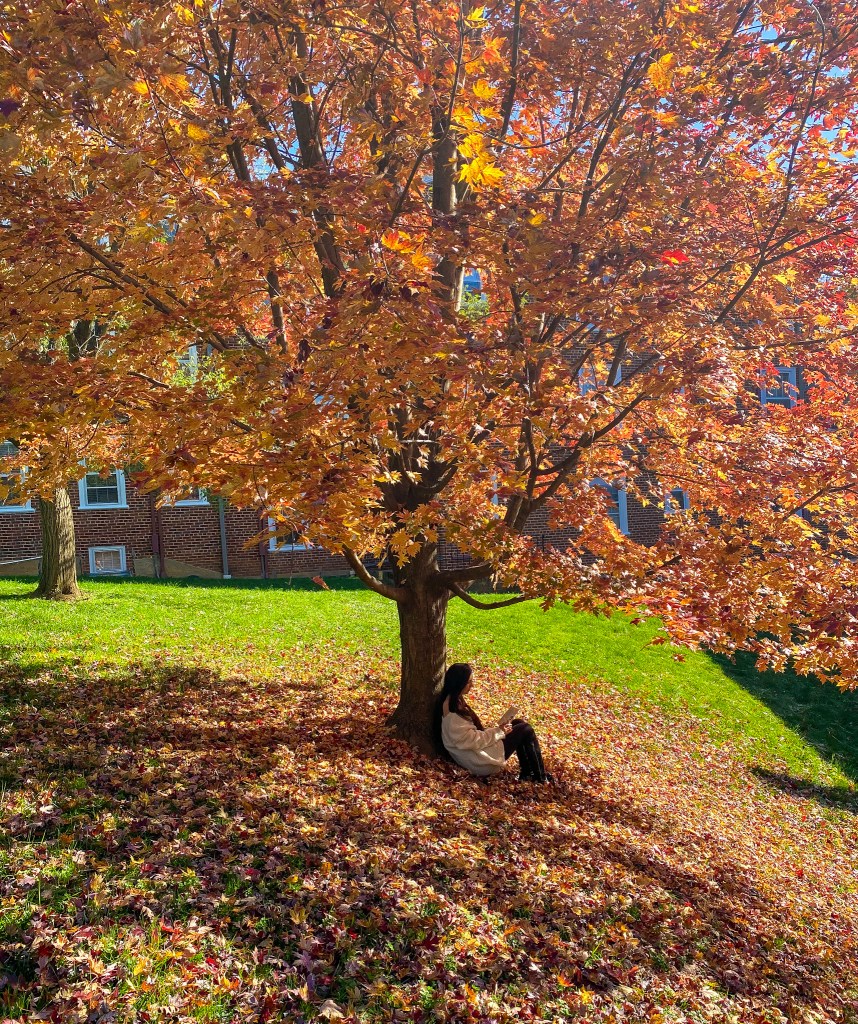
Am I the only one who feels that the weather this fall has been amazing?! I don’t want to jinx it, but I definitely do want to take advantage of it! Since we had such amazing weather last week, and J had a day off, we decided to go for a small hike together. While we don’t do it incredibly often, both J and I love going on hikes, and Friday was the perfect, brisk, autumnal day.
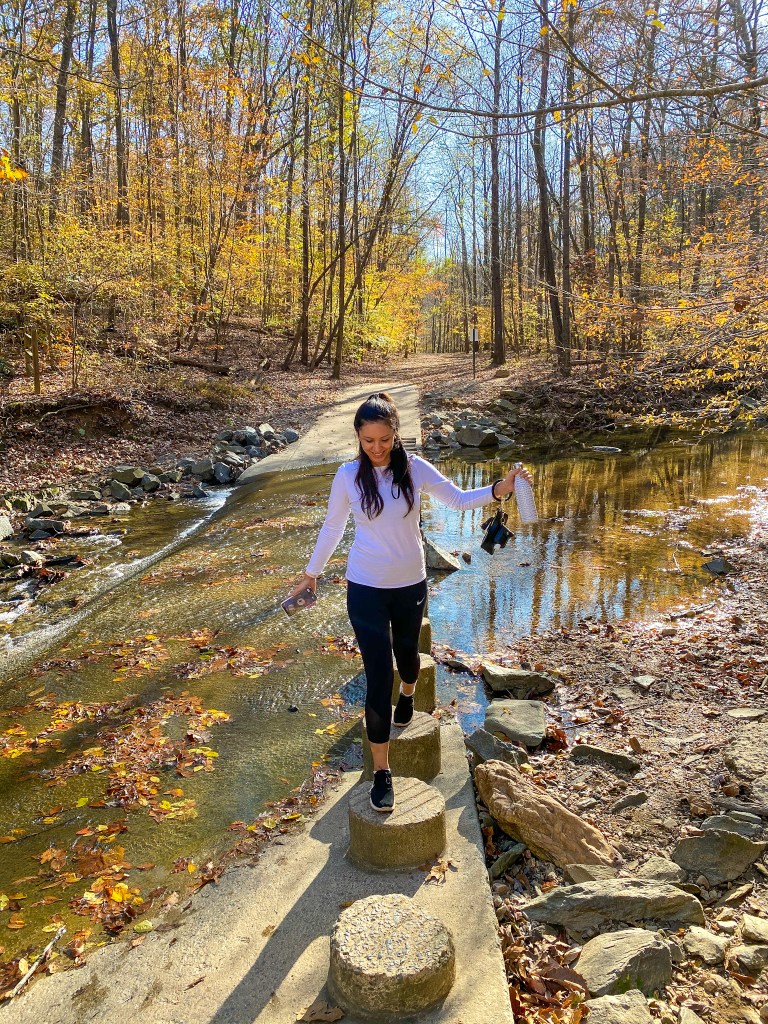
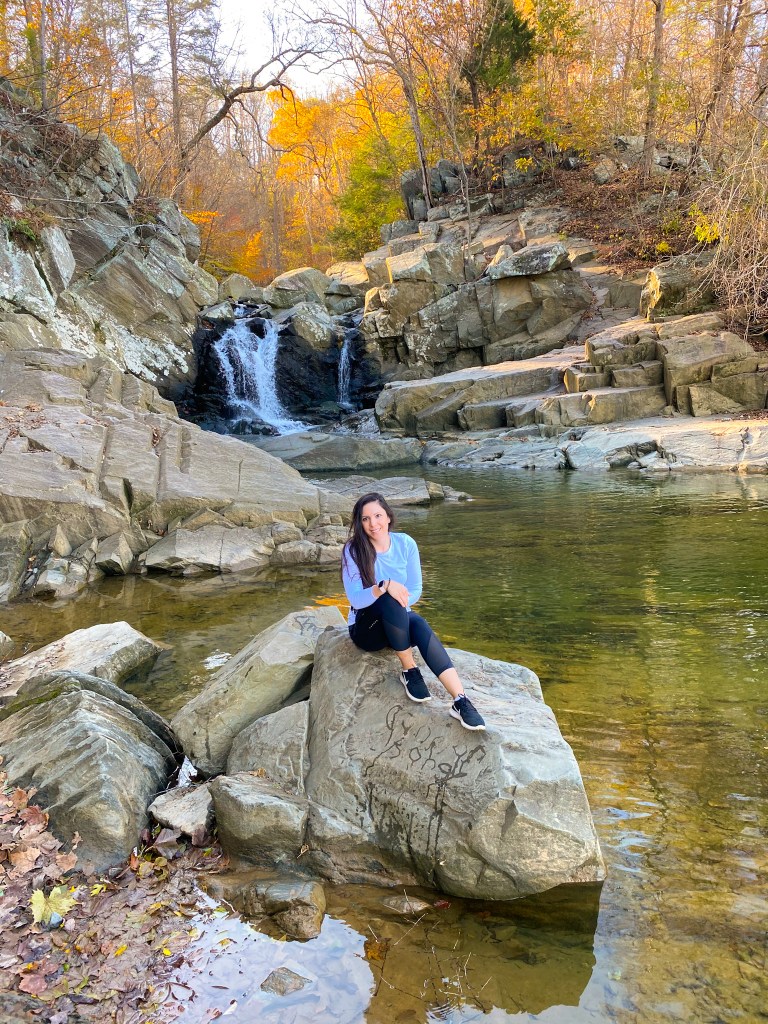
We wanted to go somewhere close by that had some shorter trail options, so that we could have flexibility with the rest of our day. We ended up going on a hike at Scott’s Run Nature Preserve in McLean, Virginia. I, personally, thought Scott’s Run was a great place for a short, fall afternoon hike (I am not an avid hiker, so take my opinion with a couple pinches of salt!). It was the perfect way to clear our minds, get some exercise, and take in the beautiful views of golden trees and the Potomac River. To add to the views, there was also a waterfall on the trail, which made for a lovely place for us to stop and take photos.
This lovely November weather and peaceful little hike really got me in the mood to soak up all the beautiful colors before it gets too cold and all the leaves are gone! If you have any recommendations for some other good local hikes, I am all ears!
After a much-needed break, I am back with a fun post (well, at least in my opinion): a list of projects that I have done while in quarantine! While I recently wrote a similar post that gave an honest, high-level, realistic account of what quarantine has looked like for me, this one will be productivity-focused and will list specific projects that I have started (and more-or-less completed) in my newfound spare time. If you are into organization, cleaning, and memory-keeping, this one’s for you!
Organize Pantry
I had actually tidied and decluttered our pantry at the beginning of quarantine, but a couple weeks ago, we ended up doing a(n unexpected,) complete overhaul because we found a leak in our pantry that required some pretty large repairs. It also required us to move everything (EVERYTHING) out of the pantry while repairs were underway. While it was not particularly enjoyable to live with the contents of our pantry strewn about our dining table and living room, this was (kind of, sort of) a blessing in disguise. We realized that since our pantry was completely empty, we had the opportunity to reorganize everything as we put it back together.
We ended up expanding the organization system that we had already partially implemented in the pantry giving the whole room a uniform look. Everything on the shelves is now sorted and categorized in labeled bins, making everything aesthetically pleasing and easy to find. Is it sad that the pantry is now one of my favorite rooms in the house??
Organize Memory Boxes
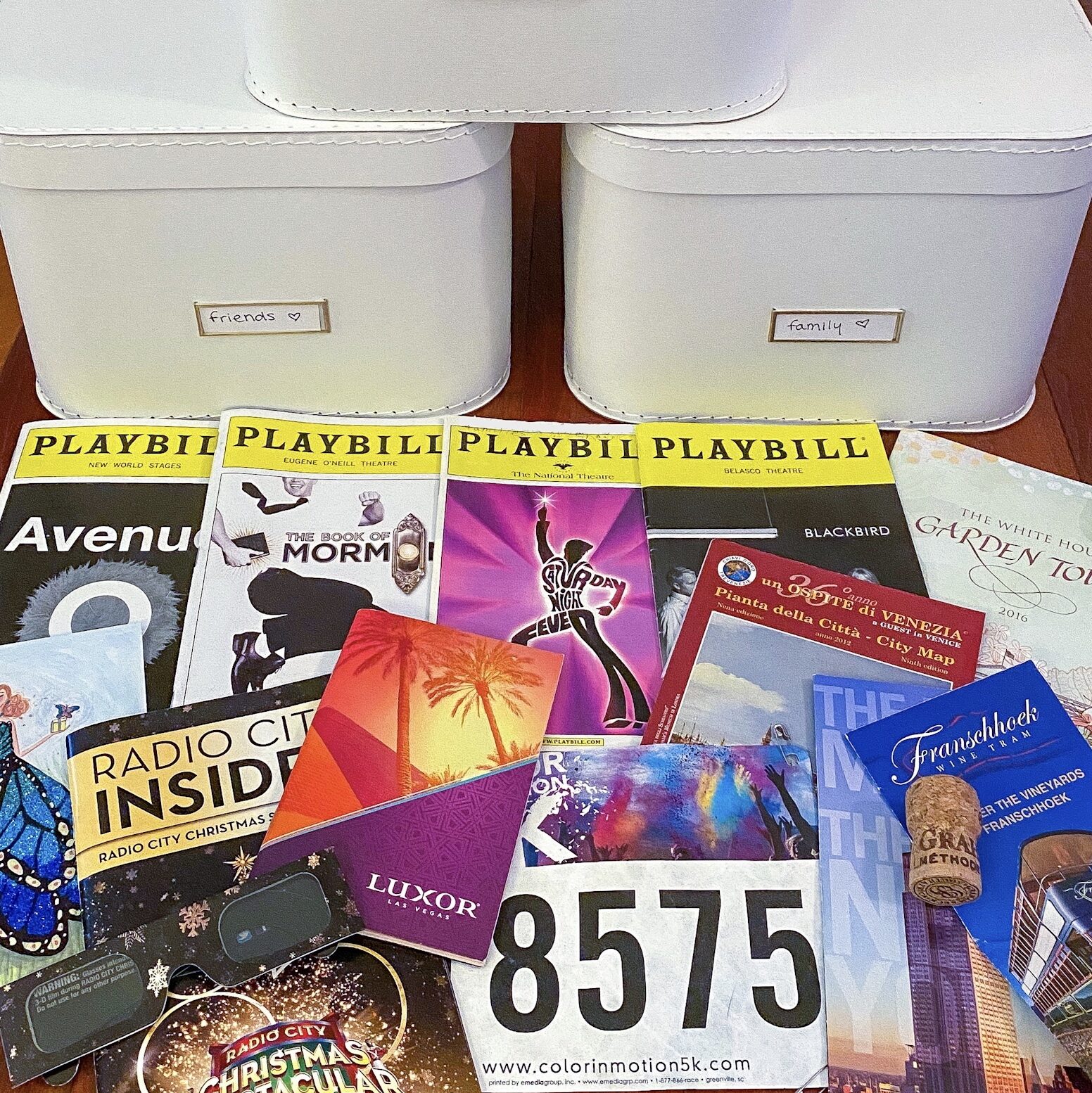
I won’t dwell on this one too much because I kind of already wrote an entire post about my memory boxes, but essentially, I went through all my boxes, re-labeled them, and organized their contents into subcategories to make things easier to save and look through.
Clean Out Files
One of my goals in quarantine was to digitize as many files as I could. I figured that digitizing everything would not only help me declutter all of the paper I have accumulated over the years, but it would also help keep me more organized (and we know I love an excuse to be even more organized). This project required a lot of digital storage and a scanner that was up to the task. I divided my papers into separate PDF files that I then scanned and organized into clearly labeled, easy to find, digital folders. This is still a work in progress, but I have already made a pretty decent dent!
Organize Digital Files and Photos
Before putting new files on my hard drives, I wanted to make sure that everything that had previously been stored on them was organized (are we sensing a theme here?). (This is what inspired the “How to Digitally Organize Years of Photos” post.) This was a long, tedious process, but I can’t tell you how much better I feel knowing that I can locate any and (almost!) all of my files and photos from anywhere in just a matter of clicks!
Create Yearly Photo Books
This is another work in progress that is actually very close to being done. One thing I really wanted to do was to create yearly photo books (and also a wedding photo book!) of the most important/special photos that we have taken over the years. Now that photo taking and photo storage has gone digital, we don’t print photos or keep photo albums like my grandparents and parents used to. I thought creating a printed book with our favorite photos and memories (organized neatly by year) would be a great way to actually look back on photos that we wouldn’t necessarily see unless we were searching for them.
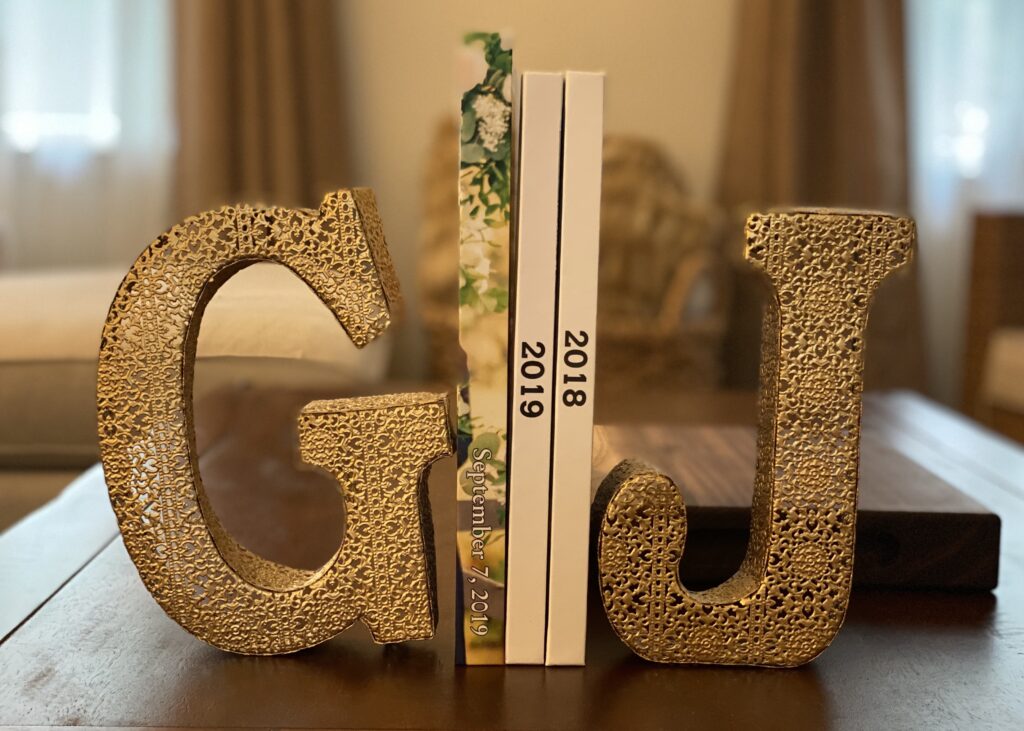
I decided to not only make our wedding photo album (finally!) but to also start our photo book collection starting with pictures from 2017. While I obviously have photos that go back much farther than 2017, J and I decided that 2017 was a good place for our collection to start. My goal was to finish books 2017 through 2019 just in time to create a 2020 book at the start of 2021. That way, I would be right on track to make one book each year moving forward. Currently, I am almost finished with the last book and have already started organizing all my 2020 photos for the next one. I am hoping to do a more in-depth post on this in the future, sharing my process and where I get my books printed, but for now, here is what our little collection looks like.
Create Yearly Memory Books
I know, I know, all this memory keeping probably seems excessive . . . but to me, it’s not. This is my hobby, and I have so much fun documenting things that I have no problem being a little bit excessive in this area of my life if it means having a hobby that I love.
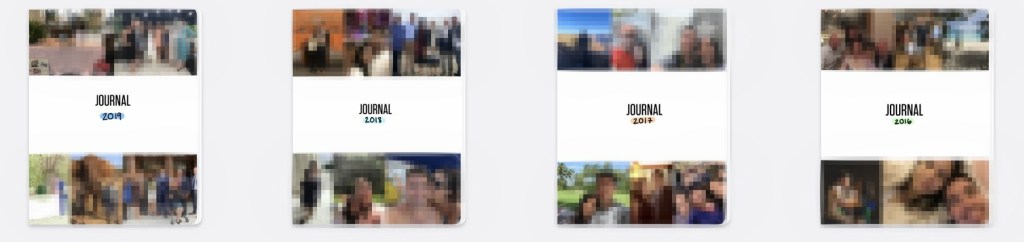
My memory books are basically journals of my life. They are organized files of all my day-to-day photos, calendars (if you didn’t already know, I put a lot of important information on my calendar), and journal entries sorted by year. My journal entries are largely taken from my Day One app (more about that obsession here), but they also include detailed, longer-form entries for very special events (like our wedding!), so that I never forget a single detail. The photos I keep here are whatever pictures I saved to my Day One app when I journal each day. They generally reflect my day-to-day life and are typically more candid, less posed photos that, unless printed in a photobook, would otherwise just sit and collect digital dust. As of right now, I keep these “books” saved as digital files (backed up, of course!) because, while I considered printing them out into bound books, I know worry that they will be way too thick (an incredibly unique problem to have haha!). If anyone is interested, I’d be more than happy to write a separate blog post all about how to make one of these (I can’t be the only one out there with this kind of hobby . . . right?).
I love being able to create photo books and journals that my family and I (and hopefully, future generations of my family) can look back on. I know that my parents and grandmother love reminiscing while looking at old photos, so I firmly believe that future Giulia will be very thankful that I kept up with this hobby.
This is generally what the covers of my finished memory books look like (the photos are blurred for privacy purposes).
Create an Emergency Bag
2020 taught me that truly anything can happen at any time. I used this wakeup call to motivate myself to make an emergency bag, a.k.a. a bag of things to grab in case of an emergency. (J still thinks I’m crazy for doing this, but hey, better safe than sorry, in my opinion.)
I am definitely not an expert at emergency kit preparation, but from the limited research I’ve done, I know that items that go into one’s emergency bag/kit really depend on one’s location, what one might need to prepare for, and how many people are in one’s family. I basically just took my best guess, gathered what I already had around the house, bought a couple of extra items from Amazon, put everything in a bag, and called it a day. It really wasn’t that hard or time-consuming and it’s also something that you can update and add to over time. I’m also happy to go more in-depth about the things that I included in my bag if anyone would find that helpful or interesting, but in the meantime, here are some resources that not only explain why having an emergency kit is a good idea but also provide a great starting point if you are looking to make an emergency bag too.
Ok. I can’t actually take credit for this project. I can take credit for having the idea and for starting the project, but J gets all the credit for actually finishing it when I couldn’t and when I really didn’t give him another choice (my poor husband). Here’s what happened.
I knew from the start of quarantine that I wanted to re-caulk our bathroom. It was one of those “luxury” projects that I secretly knew I would never actually make time to do. When quarantine started, I felt like I could no longer make excuses. So, I went online, I read some instructional articles and blog posts, I bought all the supplies on Amazon, and as soon as they arrived in the mail, I was ready to go. Something important to note: I read an article that said I didn’t need a caulking gun to do this (if you want my inexperienced two cents, you absolutely do need a caulking gun), so I didn’t get one. Bad move. When all my other tools arrived in the mail, I got straight to work. It was only after I stripped away all the old caulking that I realized that I had made a huge mistake by not buying a caulking gun. J then had to come to the rescue with his elbow grease to get me out of the bad situation I had found myself in.
On the bright side, we ended up with a fabulously caulked bathroom! 😇
Wash Makeup Brushes
This is a silly one. It was also the project that took the least amount of time, and to be honest, probably isn’t worth mentioning, but I can’t be the only one that doesn’t wash my makeup brushes as often as I should. This was another one of those things that I felt I couldn’t make excuses for anymore. Now, I just need to convince myself that I really should wash my brushes more than once before quarantine ends . . .
That’s is (for now)! If you were looking for some motivation to get your pending projects done, I hope that this gives you the push that you need to get started.